



kavalan-平原的人類 Kavalan–People of the Plains
kavalan-平原的人類-Kavalan – People of the Plains The Kavalan and Yilan
kavalan濱海臨河而居,以前稱為「蛤仔難三十六社」,事實上其聚落數量超過70個以上,他們在蘭陽平原上採集、漁獵、農耕,自由自在過著樂天知命的親水生活 。
The Kavalan people settled along rivers and coasts. Their communities were once collectively referred to as the “36 Kavalan Villages” when, in fact, they numbered over seventy. On the Lanyang Plain the Kavalan gathered, hunted, fished, and farmed, and led a vibrant, water-loving lives.
1796年吳沙入墾宜蘭後,不到50年,因漢人大量拓墾蘭地,部分族人不堪壓迫遠走他鄉,遷往花東海岸,經2002年的正名運動後,行政院認定為臺灣原住民族之一,稱為「噶瑪蘭族」 。
In 1796 the Han settler Wu Sha began large-scale land reclamation in Yilan. The Kavalan began losing their traditional lands to Han Chinese settlers. Within fifty years, many had migrated south to the Hualien–Taitung coast. In this century, as one result of the Indigenous Rights Movement of 2002, Taiwan’s Executive Yuan officially recognized the Kavalan as one of Taiwan’s indigenous peoples.
「刺桐花開的日子」- When the Coral Trees Bloom
初春來臨,台灣原生刺桐(napas),花形綻開如火燄般紅豔,是噶瑪蘭人的一年之始,族人便開始整修漁船、漁具,捕捉太平洋上的飛魚 。
Every year, in the early spring, the native Formosan coral tree (napas) blooms, its flowers unfurling in fiery red hues. For the Kavalan this marks the beginning of a new year. The people prepare their fishing boats and gear and head out to catch flying fish in the Pacific.
蘭陽平原土地肥沃,是個魚米之鄉,族人漁獵耕種外的閒暇活動,便是抽煙與雕刻,在煙斗上呈顯了兩種文化的結合,捏塑獨一無二造型的煙斗,除外在許多出土的考古文物上也可以得到見證 。
The fertile Lanyang Plain is abundant in fish and rice. In addition to their fishing, hunting, and farming, the Kavalan also enjoyed leisure activities like smoking and carving. Their unique clay pipes, as evidenced by numerous excavated artifacts, display intricate designs, fusing new customs and local traditions in creative ways.
「與水共生的民族」- A People Living with Water
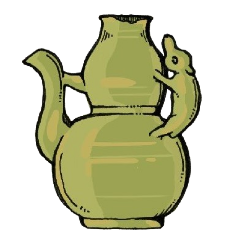
噶瑪蘭人是善於航海的南島民族,與境外有密切的交流互動。十六、七世紀大航海時代,也在太平洋上與外國商船交換布匹、陶瓷、鐵鍋與飾物等等舶來品 。
As a seafaring Austronesian people, the Kavalan have long been able to maintain close cultural connections beyond their homeland. During the Age of Exploration in the 16th and 17th centuries, they bargained with foreign ships for textiles, ceramics, and ornaments.
圖中族人在河海處鏢魚、抓蝦蟹、採貝類,族人善於利用天然資源,發展出一套與大自然和諧共處的生活方式 。
Tribal members harpooned fish, caught shrimp and crabs, and gathered shellfish. Their proficiency led to the development of a way of life in harmony with nature.
「海角一樂園」- A Seaside Paradise
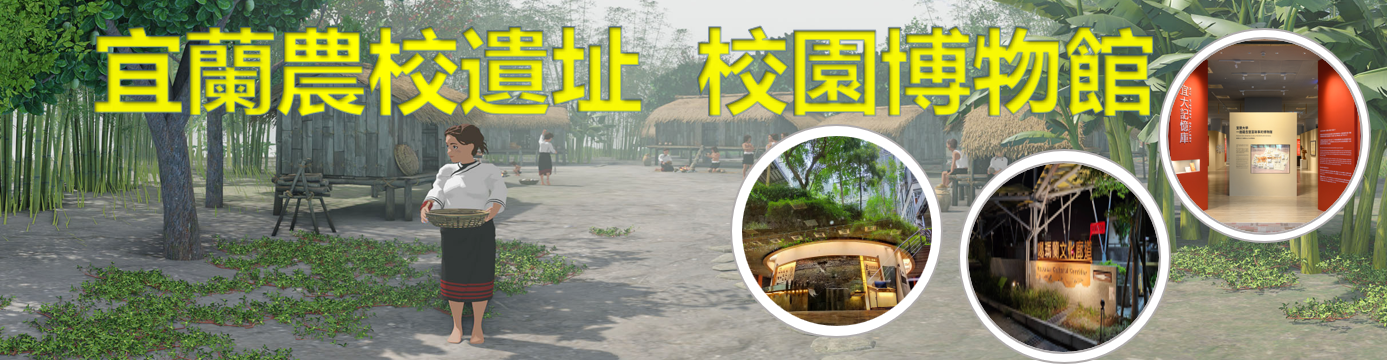
噶瑪蘭人為母系社會,夫從妻居,男獵女織,高架干欄式家屋,防濕防蟲,屋頂則以茅草覆蓋 。
Kavalan society was matrilineal. Men hunted while women wove, and newlywed husbands moved into their wives’ households. Their stilt houses were built above ground to prevent dampness.
紡織以苧麻及香蕉絲為主。圖中門前的女人正手搓苧麻,門板上掛的便是香蕉絲做成的方衣。家屋外圍經常種植長枝竹或刺竹,用以防風、禦敵 。
Women wove textiles from ramie and banana fibers. Long-branched bamboo was frequently planted around houses to provide protection against wind and enemies.
「採集與狩獵」- Gathering and Hunting
噶瑪蘭人就地取材,是植物達人,例如月桃心可食用、其莖皮可做繩子;大葉山欖果實可食,也可用來建屋造船 。
The Kavalan are experts on their region’s plant life. For example, the heart of shell ginger is edible, and its dried stem skin can be fashioned into ropes.
漁獵是男性的活動,出獵前以檳榔、香菸、酒與動物內臟先行祭祀,祈求山、海神保佑平安、豐收 。
Fishing and hunting were male activities. Prior to a hunt, offerings of betel nuts, cigarettes, and alcohol were made to the mountain and sea gods.
「精采的生活器物」- Remarkable Everyday Objects
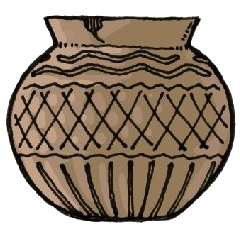
噶瑪蘭陶罐圖樣多樣化,採簡單工具拍打成幾何印紋,陶片薄而不平滑,採露天柴燒,工藝高超 。
Kavalan pottery displayed a variety of patterns. They employed simple tools to assist in molding clay into geometric patterns, fired in open-air wood kilns.
這種陶容器噶瑪蘭人稱之為「Toonos」,迄今這種陶罐碎片在噶瑪蘭舊社仍隨地可見 。
These pottery containers, known as toonos by the Kavalan people, were highly refined. Even today fragments of pottery can still be found.